Generational Wealth Transfer Accounting for Family Offices
Let’s face it — passing wealth from one generation to the next is rarely just about the numbers. It’s emotional. It’s messy. And for family offices, it’s a minefield of tax codes, valuation quirks, and family dynamics that can unravel even the best-laid plans. But here’s the thing: when you get the accounting right, you’re not just preserving assets. You’re preserving a legacy. So, how do you actually do that without losing your mind? Let’s break it down.
The Real Cost of Getting It Wrong
I remember talking to a family office advisor once who said, “We spent more time arguing over Grandma’s china than the $50 million trust.” That’s the thing about generational wealth — it’s never just about money. But when accounting errors creep in? Well, they can cost you millions in taxes, trigger audits, or worse, tear families apart. Honestly, the stakes are sky-high.
Common pitfalls include:
- Mismatched asset valuations — especially for illiquid assets like real estate or private equity.
- Ignoring step-up in basis rules — which can double tax burdens if mishandled.
- Forgetting state-level estate taxes — a sneaky one that varies wildly (hello, New York and Illinois).
- Poor documentation of gifted assets — leading to IRS headaches later.
Sure, these sound technical. But they’re also deeply human. Because every mistake has a ripple effect on the next generation’s trust — both financial and emotional.
Why Family Office Accounting Is Different (and Harder)
Standard accounting firms? They’re built for businesses, not families. Family offices deal with a weird hybrid: personal expenses, investment portfolios, charitable giving, and sometimes even operating businesses — all under one roof. And when you’re transferring wealth across generations, the complexity multiplies.
Here’s the deal: you’re not just tracking dollars. You’re tracking intent. “Did Uncle Bob really mean for that vacation home to be shared equally? Or was it a loan?” Those conversations are brutal without clear accounting records. And honestly, the best family offices use accounting as a storytelling tool — not just a compliance exercise.
The Role of Fair Market Value (FMV) in Transfers
One of the trickiest parts? Valuing assets at transfer. The IRS is super picky about FMV — and for good reason. If you undervalue a business or art collection, you could trigger gift tax penalties. Overvalue it? You’re giving away more tax-free allowance than needed. It’s a balancing act.
Pro tip: Get independent appraisals for anything unusual — like fine wine, vintage cars, or minority stakes in a family business. And update those valuations every few years. Markets shift. So should your numbers.
Key Accounting Strategies for Smooth Transfers
Alright, let’s get into the nitty-gritty. But I’ll keep it human, I promise. Think of these as the guardrails for your generational highway.
1. Use Grantor Retained Annuity Trusts (GRATs) Wisely
GRATs are like a tax-free loan to your heirs. You transfer assets into a trust, pay yourself an annuity for a set term, and whatever’s left goes to beneficiaries — often with little to no gift tax. The accounting here is critical: you need to track the annuity payments, the asset’s growth, and the trust’s termination date. Miss a payment? The IRS can reclassify the whole thing as a gift. Ouch.
2. Master the Art of Basis Step-Up
When someone dies, their assets get a “step-up” in basis to the current market value. That means your heirs can sell without paying capital gains on the appreciation that happened before death. Sounds great, right? But here’s the catch: you need meticulous records of original cost basis and improvements. Especially for real estate. I’ve seen families lose hundreds of thousands because they couldn’t prove what was spent on renovations.
Create a digital repository — scanned receipts, dated photos, maybe even a simple spreadsheet. Future generations will thank you.
3. Separate “Family” from “Office” in Your Books
This one sounds obvious, but you’d be surprised. Many family offices mix personal expenses (like a private jet trip for a cousin’s wedding) with investment costs. That’s a red flag for auditors and a headache for heirs trying to understand cash flows. Create clear categories: personal, charitable, investment, and operating. Use separate bank accounts if possible. It’s boring, but it saves drama.
When the Numbers Get Personal: Family Dynamics in Accounting
You know what’s harder than calculating the present value of a 20-year annuity? Explaining it to your sister-in-law who thinks you’re hiding money. That’s the unsung challenge of generational wealth transfer accounting. It’s not just about spreadsheets — it’s about trust.
Some families use transparent dashboards that show every transfer, every valuation, and every tax paid. Others prefer a more private approach. Neither is wrong. But the accounting must be defensible. If a beneficiary questions a number, you need to point to a document — not a memory.
Here’s a little table that might help visualize the emotional vs. financial layers:
| Layer | Financial Focus | Emotional Focus |
|---|---|---|
| Valuation | FMV, discounts, appraisals | Fairness, perceived favoritism |
| Tax planning | Estate, gift, generation-skipping | Fear of IRS, resentment over “wasted” money |
| Documentation | Receipts, deeds, trust docs | Clarity, closure, avoiding disputes |
| Communication | Reports, meetings, summaries | Transparency, trust, belonging |
Notice how each financial item has an emotional twin? That’s not coincidence. That’s family office reality.
Tech Tools That Actually Help (and a Few That Don’t)
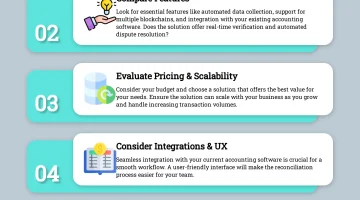
I’m not gonna lie — I’ve seen family offices spend $100,000 on software that nobody uses. The key is to find tools that integrate with your existing accounting system. Look for features like:
- Multi-entity consolidation — because you’re probably managing trusts, LLCs, and personal accounts.
- Automated basis tracking — especially for securities and real estate.
- Scenario modeling — what if you transfer $5 million now vs. later? The numbers should talk back.
- Secure document sharing — for beneficiaries who live in different states (or countries).
But honestly? The best tool is a human accountant who understands family psychology. Software can’t mediate a tense conversation about unequal inheritances. It can’t explain why Grandpa’s ranch was valued at $2 million when the neighbor’s sold for $3 million. That takes empathy — and a thick skin.
Current Trends That Are Shaking Things Up
The world of generational wealth transfer is changing fast. Here are a few trends I’m watching:
- Crypto and digital assets — Bitcoin, NFTs, and the like. They’re volatile, hard to value, and a nightmare for estate planning. But they’re not going away. Family offices need protocols for transferring private keys and documenting cost basis.
- ESG and impact investing — The next generation often wants to align wealth with values. That means accounting for carbon offsets, social impact metrics, and sometimes lower financial returns. It’s a whole new layer of complexity.
- Remote family governance — Thanks to remote work, families are more dispersed than ever. Accounting needs to be cloud-based and accessible — but also secure. No more relying on a single binder in a lawyer’s office.
One more thing: the “Great Wealth Transfer” is already underway. Over $70 trillion is expected to pass to heirs in the next two decades. That’s not a trend — it’s a tsunami. Family offices that nail their accounting now will be the ones that survive the wave.
A Thought on Legacy (Not Just Ledgers)
At the end of the day, generational wealth transfer accounting isn’t about avoiding taxes — though that’s part of it. It’s about creating a bridge between your family’s past and its future. Every number in a ledger tells a story: a business that was built from scratch, a home that held holiday dinners, a scholarship that changed a life.
So when you sit down with your family office team, don’t just ask “What’s the tax-efficient move?” Ask “What does this number mean for my grandchildren?” Because the best accounting doesn’t just balance — it connects.
And if you’re feeling overwhelmed? That’s normal. Start small. Get a second opinion on your valuations. Have that awkward conversation with your siblings about who gets what. And for heaven’s sake — back up your digital files. Because legacy isn’t built in a day. It’s built in the quiet, careful work of getting the numbers right, year after year.